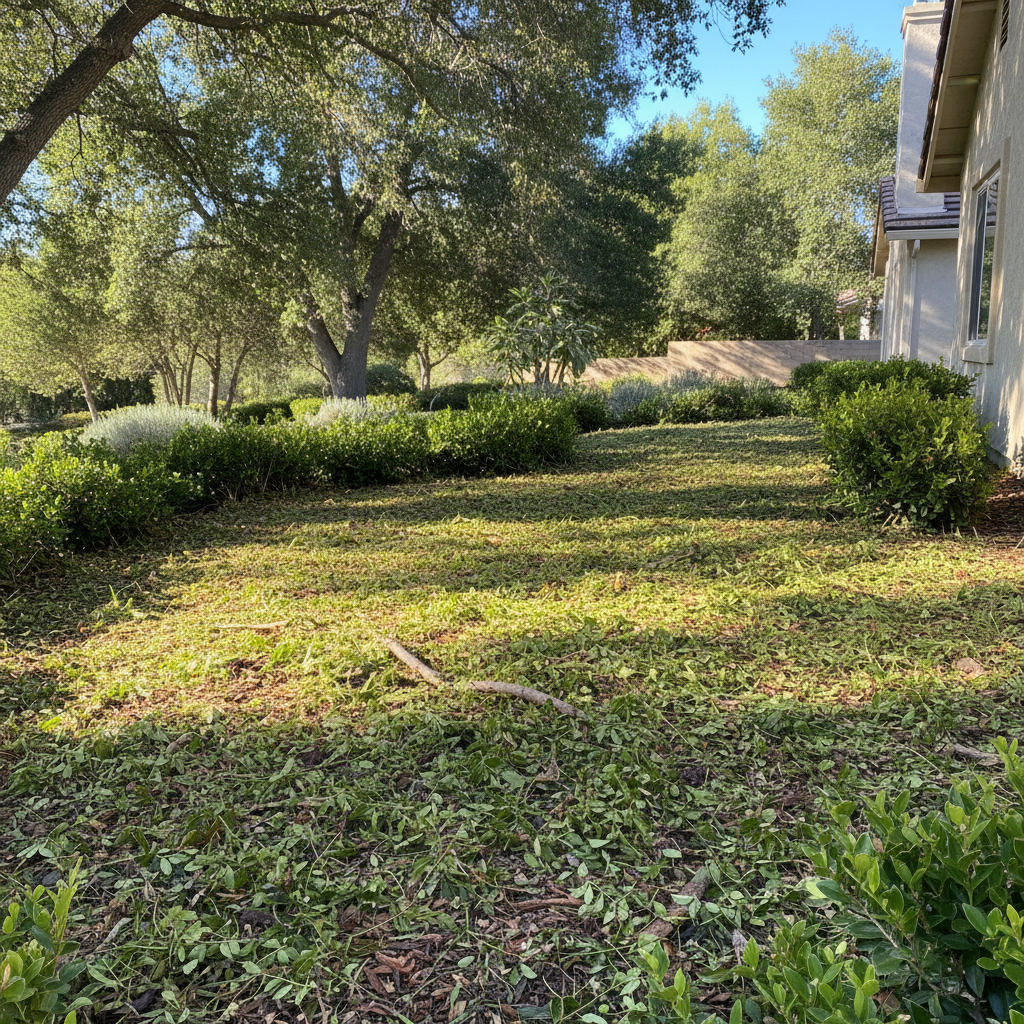
Alright, let's talk about those shrubs and bushes around your place. I get a lot of calls and questions about them, probably just as many as I do about bigger trees. People want their yards to look good, but they're not always sure how to get there with their smaller woody plants. So, I figured I'd tackle some of the most common things folks in Pasadena ask me about shrub and bush trimming.
When's the best time to trim my shrubs and bushes?
This is probably the number one question I hear, and the answer, like with most things in nature, isn't a simple one-size-fits-all. Generally, for most deciduous shrubs (the ones that lose their leaves in winter), late winter or early spring, before new growth really kicks in, is ideal. That's when the plant is dormant, and you can see its structure clearly without all the leaves. It also gives it a good head start for the growing season.
For evergreen shrubs, you've got a bit more flexibility. You can usually do light shaping any time of year, but for heavier pruning, I'd still lean towards late winter or early spring, or even late summer after they've done their main growth spurt. The trick is to avoid trimming too late in the fall, especially here in Pasadena where we can get those unexpected cold snaps. New, tender growth stimulated by a late trim can get zapped by frost, and nobody wants that.
Now, if you've got flowering shrubs, you've really got to pay attention to when they bloom. If it flowers on old wood (meaning it set its buds last year), like a lilac or a forsythia, you trim it right after it finishes blooming. If you trim it before, you'll cut off all those flower buds. If it flowers on new wood (meaning it grows new stems in spring and then flowers on those), like a rose or a crape myrtle, you trim it in late winter or early spring before new growth starts. It's a bit of a dance, but once you know what kind of shrub you have, it gets easier.
Can I just use hedge shears for everything?
You can, but I wouldn't recommend it for most things beyond a quick, light shaping of a formal hedge. Hedge shears, whether they're manual or electric, are designed for shearing, which means cutting everything at the same height or plane. That's fine if you want a very formal, boxy look, but it often leads to what we call 'lion's tailing' or 'hat-racking' on shrubs. What happens is you cut the outer layer of leaves, which encourages dense growth on the surface, but the inside of the plant gets less light and air. Over time, it gets sparse and woody on the inside, and you end up with a hollow-looking shrub that's prone to disease.
For most shrubs, especially those with a natural, informal shape, you want to use hand pruners, loppers, and a pruning saw. These tools allow you to make selective cuts, removing individual branches back to a main stem or a healthy bud. This opens up the plant, encourages air circulation, and promotes healthier growth from the inside out. It's more work, sure, but the results are much better for the plant's long-term health and appearance.
How much can I actually cut off without hurting the plant?
A good rule of thumb is to never remove more than about one-third of the plant's total mass in a single season. If you go beyond that, you're stressing the plant out big time. It's like asking someone to run a marathon after they've just had surgery. The plant needs its leaves for photosynthesis, which is how it makes its food. Taking too much off at once can weaken it, make it more susceptible to pests and diseases, and sometimes even kill it.
Now, there are exceptions. If you're doing a rejuvenation prune on an overgrown, leggy shrub that's just a mess, you might cut it back harder. But that's a specific technique and usually involves cutting stems back close to the ground over a period of a few years, not all at once. For regular maintenance, stick to the one-third rule. It's safer for your plants and keeps them looking good year after year.
My neighbor's shrubs are always perfectly shaped. What's their secret?
Well, without seeing them, I'd bet it's a combination of consistent, proper pruning and possibly the right plant choice for the spot. Some shrubs naturally grow into a tidy shape with minimal intervention, while others are just wild things that need more frequent attention. The key isn't necessarily cutting a lot, but cutting smart and often enough. Small, regular trims are always better than letting things get out of hand and then trying to hack them back into submission.
Also, a lot of folks don't realize that a healthy plant is easier to keep looking good. Good soil, proper watering (especially during our dry Pasadena summers), and occasional feeding all contribute to a vigorous plant that can handle a trim better and recover faster. If your shrubs are stressed from lack of water or nutrients, they're not going to respond well to pruning, no matter how skilled you are.
When should I call a professional like Pasadena Tree Service instead of doing it myself?
Look, I'm all for DIY when it makes sense. If you've got a few small, easily accessible shrubs that just need a light shaping, grab your pruners and go for it. But there are definitely times when calling in the pros is the smarter move. Here's when I'd say it's time:
- Overgrown monsters: If your shrubs have gotten so big you can't even see the house anymore, or they're blocking pathways and windows, that's a big job. Trying to tackle something like that without the right tools or experience can be dangerous for you and bad for the plant.
- Hard-to-reach places: If you need a ladder to get to parts of the shrub, or it's growing near power lines or other structures, don't risk it. Falls and electrical hazards are no joke.
- Disease or pest issues: If you notice strange growths, discolored leaves, or signs of pests, a professional can often diagnose the problem and prune in a way that helps the plant recover, or at least prevents the spread.
- Specific shaping needs: Maybe you want a formal hedge, or a specific espaliered look. That takes a particular skill set that most homeowners don't have.
- You just don't have the time or tools: Let's be honest, life gets busy. Sometimes it's just easier to have someone else handle it, especially if you don't own all the right equipment.
We've got the training, the right gear, and the insurance to do these jobs safely and effectively. It's about protecting your investment in your landscaping and making sure the job gets done right.
My shrubs look 'chopped' after trimming. What went wrong?
Ah, the 'chopped' look. That usually comes from using the wrong tools or making improper cuts. It's often the result of shearing when you should be making selective cuts. When you shear, you're cutting across branches indiscriminately, leaving stubs and encouraging a dense outer layer but a weak interior. This can make the plant look unnatural and, as I mentioned before, unhealthy over time.
Proper pruning aims to enhance the natural shape of the shrub. We're looking to remove dead, diseased, or crossing branches, thin out congested areas, and reduce overall size while maintaining the plant's inherent form. Each cut should have a purpose, whether it's to direct growth, improve air circulation, or remove damaged wood. It's more like sculpting than just giving it a haircut. If your shrubs consistently look 'chopped,' it might be time to rethink your technique or consider bringing in someone who understands the art and science of proper pruning.